IN-PERSON COUNSELLING
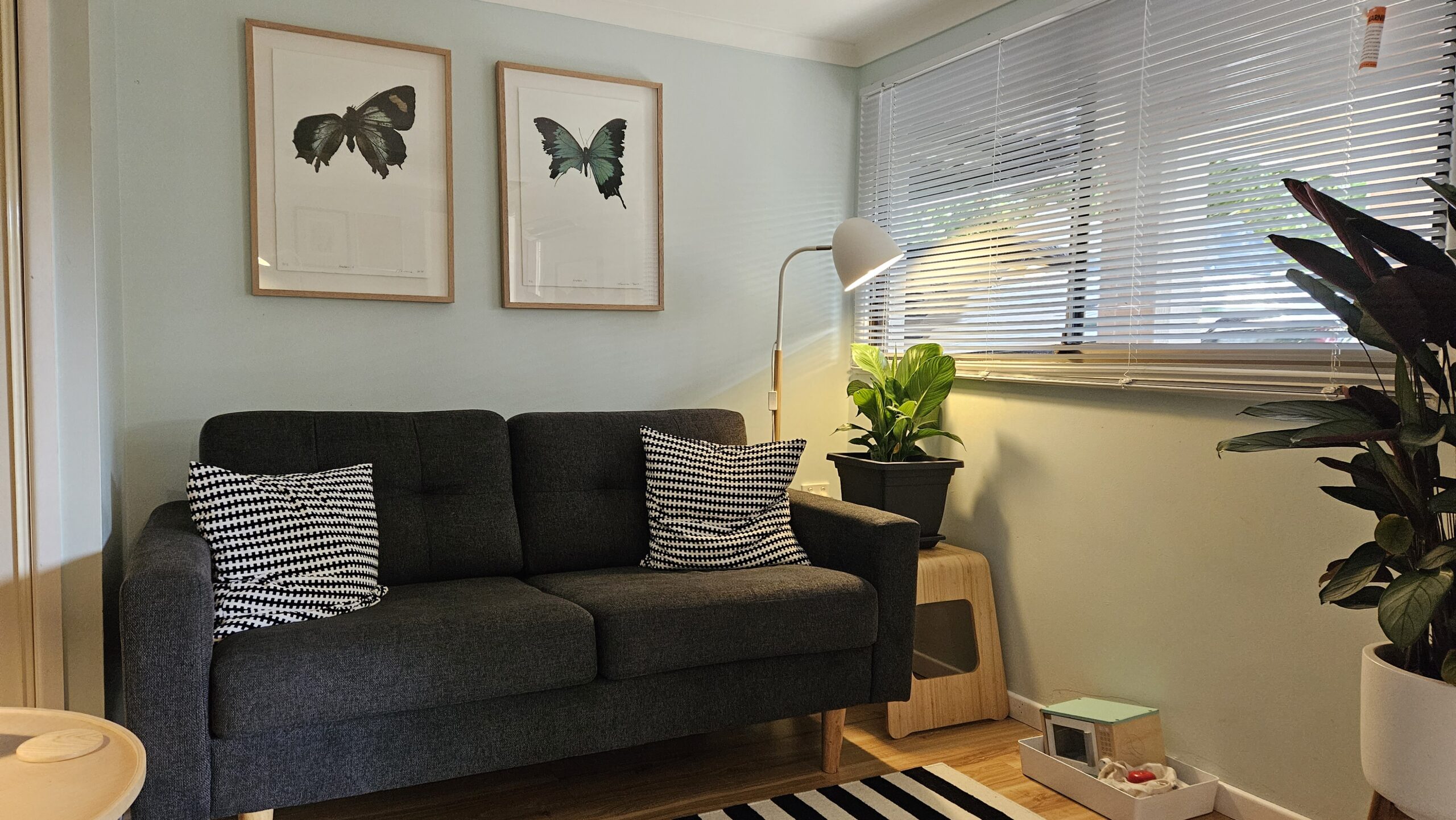
In-person counselling offers an intimate and immersive therapeutic experience. When a client steps into my counselling room, they are greeted by a warm and inviting environment, immediately establishing a foundation of trust and comfort. The physical presence of being with the counsellor, reinforces this trust, as clients know they are in a secure and confidential space where they can openly and honestly discuss their thoughts, emotions, and concerns. In these face-to-face sessions, clients have my undivided attention, allowing for a deep and meaningful exploration of their inner world.
One of the valuable aspects of in-person counselling is the opportunity for non-verbal communication, such as body language and facial expressions. These subtle cues provide additional layers of understanding, enabling me to offer more holistic support tailored to each client's specific needs. Additionally, the sensory elements of the in-person experience, such as the comfort of the chair and the soothing ambiance of the counselling room, contribute to a profound sense of relaxation and security, ultimately enhancing the effectiveness of our therapeutic relationship. In summary, in-person counselling provides a unique and deeply engaging method for clients to connect with me and make meaningful progress in their therapeutic journey.
Iggy the Therapy Dog - If you would like Iggy to be present for your session please let me know.

VIDEO CONFERENCE COUNSELLING
Video Conference counselling refers to therapy sessions conducted remotely through video calls, such as Zoom. This form of counselling provides a convenient and accessible way to receive support from the comfort and privacy of your own space. During online sessions, you will have the opportunity to engage in meaningful conversations with me, Dave Segal, a dedicated counsellor and therapist, who is committed to helping you on your journey towards healing, resilience, and personal growth.
Through online counselling, you can expect the same level of professionalism, expertise, and therapeutic support as you would in face-to-face sessions. The virtual environment offers a secure and confidential space for us to work together on addressing your specific concerns, developing coping strategies, and achieving your therapeutic goals.
RELATIONSHIP COUNSELLING
In my role as a couples counsellor, I have witnessed the transformative power of Emotionally-Focused Counselling in enhancing relationships. Couples who embark on this journey with me experience a unique and profoundly impactful therapeutic experience. As they enter my counselling office, they are enveloped by an environment deliberately designed to foster trust, empathy, and open communication.
All of us want to feel safe in relationships and connected to our partners. In addition to that we want to know that we matter, that we are desired, needed, sometimes we want to feel useful. These additional needs are not met when there is a lack of emotional safety.
Ask yourself these questions about your partner:
- Are you there for me? Are you accessible? Are you responsive? Are you engaged?
Ask your partner to consider the same questions.
Consider your latest disagreement. Does one partner push, nag, criticise, demand? Whilst the other partner moves away, closes up, goes quiet. Sometimes it's a combination of both types. These behaviours are all part of seeking safety and connection but come about as a result of not feeling safe and connected.
Has there been an exceptionally damaging event - an affair, a significant criticism, a wound which neither of you are unable to heal?
Emotionally-Focused Counselling is also helpful for couples who are not experiencing significant difficulty but are craving more closeness, better connection, and a greater sense of love.
In the realm of couples counselling, emotion takes centre stage. It allows partners to explore their deepest emotions, addressing the core issues underlying relationship challenges. In these face-to-face sessions, both partners have my undivided attention, allowing for a deep exploration of their emotional dynamics and individual needs, all within a secure and confidential space.
Couples counselling is not a one-off. A minimum of 8 sessions has evidence to show great success however there are caveats.
1. Where there is significant emotional abuse (anger & control). Each couple's personal experience of this will determine whether EFT can start.
2. Where there is physical abuse (anger & control). Each couple's personal experience of this will determine whether EFT can start.
3. Where couples have already seperated. Usually the connection has been lost and individual counselling working through the loss of that relationship may be more helpful.
Read this first in preparation for your first session.

DAVE SEGAL Qualifications
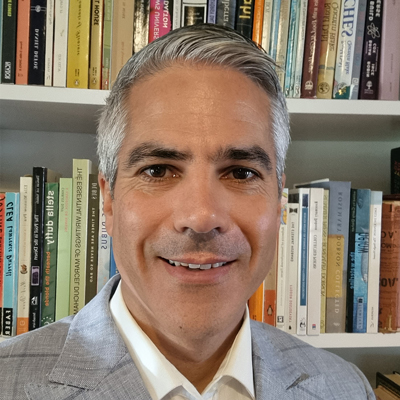
As an experienced professional, I hold a Master's degree in Counselling and am a member of PACFA (Psychotherapy and Counselling Federation of Australia). I engage in regular clinical supervision to ensure the quality and effectiveness of my counselling practice.
Supportive Environment
Experience a non-judgmental and empathetic atmosphere where you can safely explore and heal from trauma, anxiety, substance-related challenges, and among other things, relationship issues, self-esteem concerns, and life transitions.
Relationship Counselling
Receive expert support and evidence-based strategies tailored to help strengthen your relationship
Anxiety Management
Learn effective techniques and coping strategies to manage anxiety and regain control over your thoughts, emotions, and actions.
Substance-Related Support
Access a compassionate and understanding space to address substance use concerns, develop healthier habits, and work towards recovery.
Grief
Grief can sometimes mask or mimic depressed mood. Many of us avoid mourning a loss sometimes due to the pain associated with old fashioned approaches. I use the dual process model which helps the person grieving to spend some time focusing on loss and other times focusing on restoration paired with functional development.
Confidentiality and Privacy
Your personal information and discussions are handled with the highest level of confidentiality and privacy.
Goal-Oriented Approach
Set meaningful goals together, focused on overcoming trauma, managing anxiety, and creating positive changes in your relationship with substances.
start living your life to the fullest potential
Questions and Answers
Q: What is counselling? A: Counselling is a process that involves talking to a trained professional, known as a counsellor or therapist, to address and work through personal, emotional, or psychological challenges.
Q: What therapeutic style do you use? A: Dave uses Acceptance & Commitment Therapy which has over 3000 published papers demonstrating the effectiveness of what is a transdiagnostic approach. For couples counselling it he uses an integrative approach incorporating Emotion Focused Counselling.
Q: Why should I see a counsellor? A: There are several reasons to see a counsellor, including dealing with mental health issues, managing stress, improving relationships, coping with grief or loss, overcoming trauma, and gaining personal insight and self-awareness.
Q: How do I find a counsellor? A: You can find a counsellor by asking for recommendations from your healthcare provider, seeking referrals from friends or family, contacting your insurance provider, or searching online directories or mental health professional databases such as pacfa.org.au
Q: What should I expect during the first counselling session? A: During the initial session, the counsellor will likely ask you questions about your reasons for seeking counselling, your personal history, and your goals for therapy. It's also an opportunity for you to ask questions and get to know your counsellor.
Q: How long does counselling typically last? A: The duration of counselling varies depending on the individual and their specific needs. It can range from a few sessions to several months or even longer-term therapy, depending on the complexity of the issues and the progress made.
Q: Is counselling confidential? A: Yes, counselling sessions are typically confidential. Counsellors are bound by professional ethics and legal requirements to keep your information private, unless there is a risk of harm to yourself or others. It's important to discuss confidentiality with your counsellor at the beginning of therapy to understand the limits and exceptions.
Q: How much does counselling cost? A: The cost of counselling varies depending on factors such as location, counsellor's experience, and whether you have insurance coverage.